
Imagine someone has spent months applying for a new job, repairing a relationship, or planning an important move, only to have circumstances change at the last minute. A friend might say, “What is meant to be is meant to be.” The expression is often used to encourage acceptance when an outcome cannot be fully controlled.
The phrase communicates a belief that some events will happen regardless of personal effort, or that an unsuccessful outcome should be accepted rather than endlessly resisted. Depending on the situation, it can sound comforting, philosophical, optimistic, resigned, or even dismissive.
What Does “What Is Meant to Be Is Meant to Be” Mean?
“What Will Be, Will Be” means that an expected or desired outcome will happen if circumstances allow it, and that people should accept events they cannot completely control. It is commonly used when discussing relationships, career decisions, uncertainty, disappointment, major life changes, or situations where forcing an outcome may not help.
Origin & History of “What Is Meant to Be Is Meant to Be”
The exact phrase “What Will Be, Will Be” does not have one universally established author or documented point of origin. It belongs to a much older family of expressions based on the idea of fate, destiny, inevitability, and acceptance.
Its closest and best-known relative is “What will be, will be,” commonly associated with the Spanish phrase Que será, será. The English concept also resembles long-standing philosophical and religious ideas about accepting events that lie beyond human control.
The wording “meant to be” adds an important element: it suggests that an outcome is somehow appropriate, destined, or naturally likely to happen. The expression therefore combines two ideas:
- Inevitability: some things cannot be controlled.
- Acceptance: resisting an unavoidable outcome may not be productive.
Over time, this type of language moved from strongly religious or philosophical discussions into ordinary conversation. Today, people may use it without subscribing to a particular belief about destiny. Someone might say it simply to acknowledge uncertainty after a breakup, missed opportunity, rejected application, failed plan, or unexpected change.
That flexibility explains its continued popularity. The phrase can express genuine faith in destiny, practical acceptance, emotional reassurance, or simple resignation depending on context.
Synonyms & Alternatives by Tone
Professional & Neutral Alternatives
- What will be, will be.
- Let’s see how things unfold.
- We’ll have to accept the outcome.
- Some things are beyond our control.
- We’ll see what happens.
Polite & Supportive Alternatives
- Whatever happens, we’ll handle it.
- Let’s take things one step at a time.
- It may work out in the end.
- Things will become clearer with time.
- Let’s give it time.
Encouraging & Reassuring Alternatives
- Everything will work out as it should.
- Trust the process.
- What’s meant for you won’t pass you by.
- The right opportunity will come along.
- There’s a reason to keep moving forward.
Casual, Playful & Idiomatic Alternatives
- If it’s meant to happen, it’ll happen.
- Que será, será.
- It is what it is.
- Whatever happens, happens.
- Let the chips fall where they may.
When Should You Use “What Is Meant to Be Is Meant to Be”?
The phrase works best when someone is facing uncertainty and needs language that acknowledges limited control.
Professional Settings
Use it carefully in professional environments. It can work in an informal conversation between colleagues who know each other well, but it may sound too philosophical in a formal business discussion.
For example, after an unsuccessful job application, a colleague might say:
“You prepared well. If this role doesn’t work out, What Will Be, Will Be. There will be other opportunities.”
In a formal email, however, “We’ll review the outcome and consider the next steps” is usually more precise.
Casual Conversations
This is one of the phrase’s strongest contexts. Friends and family members commonly use it when discussing relationships, plans, career changes, travel, or uncertain decisions.
Writing, Presentations, and Digital Communication
The expression can work in personal essays, opinion writing, motivational posts, captions, and informal presentations. In professional reports, academic papers, and technical writing, a more objective alternative is generally preferable.
When It Is Especially Effective
It is particularly effective when:
- The outcome is uncertain.
- The speaker wants to reduce anxiety.
- The listener cannot control the situation.
- The conversation is personal rather than technical.
- Acceptance is more useful than continued speculation.
Pros and Cons of Using “What Will Be, Will Be”
Advantages
- Clarity: It quickly communicates acceptance of uncertainty.
- Efficiency: A familiar expression can summarize a complicated emotional position in a few words.
- Accessibility: Most English speakers can understand its general meaning.
- Emotional reassurance: It may help someone stop worrying about an outcome they cannot control.
- Conversational naturalness: It fits many informal discussions.
Potential Drawbacks
- Oversimplification: Real problems may involve practical causes that should be addressed.
- Tone mismatch: The expression may sound dismissive when someone needs empathy.
- Repetition: Frequent use can make speech sound predictable.
- Fatalistic implication: It may suggest that personal effort does not matter.
- Cultural differences: Some listeners may interpret the idea of destiny differently.
Real-Life Examples of “What Is Meant to Be Is Meant to Be” by Context

Emails
A personal email might say:
“I know you’re disappointed about the interview, but you prepared well. What Will Be, Will Be, and I’m sure another opportunity will come up.”
For a professional email, a more practical alternative would be:
“We’ll review the result and consider the next opportunity.”
Meetings
A manager speaking informally to a team might say:
“We’ve submitted the proposal, so now we have to wait. What Will Be, Will Be”
However, a formal presentation would usually benefit from:
“We have completed our part, and we’ll respond once we receive the decision.”
Presentations
The expression can be useful in a personal-development presentation about uncertainty, resilience, or decision-making.
“We cannot predict every result. Sometimes, after doing everything within our control, we have to accept what happens next.”
This version is more precise and professional than relying entirely on the idiom.
Conversations
“I really wanted the apartment, but someone else got it. I guess what will be, Will Be”
Here, the phrase naturally communicates disappointment mixed with acceptance.
Social Media
“Some plans work out, and some don’t. What Will Be, Will Be. Keep moving forward.”
This works because social media often favors short, emotionally recognizable expressions.
“What Is Meant to Be Is Meant to Be” vs Similar Expressions (Key Differences)
| Phrase | Meaning Difference | Tone Difference | Best Use Scenario |
| What will be, will be | Accepts that the future cannot be known or controlled. | Philosophical, calm, slightly traditional. | Uncertain personal outcomes. |
| Everything happens for a reason | Suggests events have an underlying purpose or cause. | Reassuring, philosophical, sometimes spiritual. | Comforting someone after disappointment. |
| It is what it is | Accepts an existing situation without necessarily suggesting destiny. | Casual, blunt, pragmatic. | Discussing an unpleasant but factual situation. |
| Trust the process | Encourages confidence in an ongoing process rather than a predetermined outcome. | Modern, encouraging, motivational. | Work, education, personal growth. |
| Let the chips fall where they may | Suggests taking action and accepting whatever consequences follow. | Idiomatic, confident, somewhat dramatic. | Decisions involving uncertainty or risk. |
| Whatever happens, happens | Accepts an uncertain outcome without claiming it is destined. | Casual, relaxed, sometimes indifferent. | Informal conversations about uncertain plans. |
The key distinction is that “what is meant to be is meant to be” focuses strongly on destiny or inevitability, while expressions such as “trust the process” focus more on confidence and continued effort.
Common Mistakes & Misuse of “What Is Meant to Be Is Meant to Be”
Overuse
Using the phrase every time something goes wrong can make communication sound repetitive or emotionally detached. Choose alternatives that describe the actual situation more accurately.
Incorrect Context
The phrase is not a substitute for action. If a problem can be solved through planning, communication, or effort, accepting the situation too early may be counterproductive.
Contradictory Usage
Avoid pairing it with language that strongly suggests complete personal control.
For example:
“We control exactly what happens, but what is meant to be is meant to be.”
These ideas can conflict unless the speaker is deliberately distinguishing effort from outcomes.
Cultural Misunderstandings
Not everyone interprets destiny in the same way. Some people hear the phrase as comforting; others hear it as passive or fatalistic. In multicultural workplaces, a neutral expression may communicate the intended idea more effectively.
Psychological Reasons People Prefer “What Is Meant to Be Is Meant to Be”
Cognitive Load Reduction
When people face uncertainty, they often prefer concise language that organizes a complicated situation into a simple idea. A familiar phrase can reduce the need to explain every possible outcome.
Trust and Authority Signals
A calm, confident expression can reassure listeners. However, confidence should not be confused with expertise. In professional settings, evidence and clear reasoning remain more useful than philosophical reassurance.
Attention Economy
Modern communication rewards brevity. Short expressions are easy to remember, repeat, post, and share. This partly explains why phrases about acceptance and destiny remain common in social media.
Modern Communication Habits
Digital communication encourages emotionally recognizable phrases. People often use familiar wording because it communicates a general emotional position quickly without requiring a long explanation.
US vs UK Usage of “What Is Meant to Be Is Meant to Be”
The expression is understandable in both American and British English. There is no major grammatical difference between the two varieties.
In the United States, it can sound conversational, supportive, or motivational, particularly when discussing relationships, career decisions, or personal setbacks.
In the United Kingdom, the expression is also understood naturally, although speakers may sometimes favor concise alternatives such as “what will be, will be” or “it is what it is,” depending on context.
These are tendencies rather than strict regional rules. Tone, generation, personality, and context usually influence perception more strongly than nationality.
“What Is Meant to Be Is Meant to Be” in Digital & Modern Communication
Emails
Personal emails can use the phrase naturally, particularly when writing to friends or family. In workplace emails, replace it with a clearer statement about next steps when decisions or responsibilities matter.
Slack / WhatsApp
The phrase works well in informal messaging:
“We gave it our best shot. What is meant to be is meant to be.”
On Slack, however, workplace culture matters. A neutral phrase may be safer when communicating with senior colleagues or unfamiliar teams.
Social Media
The expression is highly compatible with reflective captions, motivational posts, and personal updates because it is short and emotionally recognizable.
AI-Generated Summaries
AI-generated communication often benefits from replacing vague expressions with explicit meaning. Instead of summarizing a statement as “What Will Be, Will Be,” a clearer summary might say:
“The speaker believes the outcome cannot be completely controlled and is choosing to accept it.”
This distinction is especially important when an AI system is summarizing sentiment or intent.
Linguistic & Communication Insight
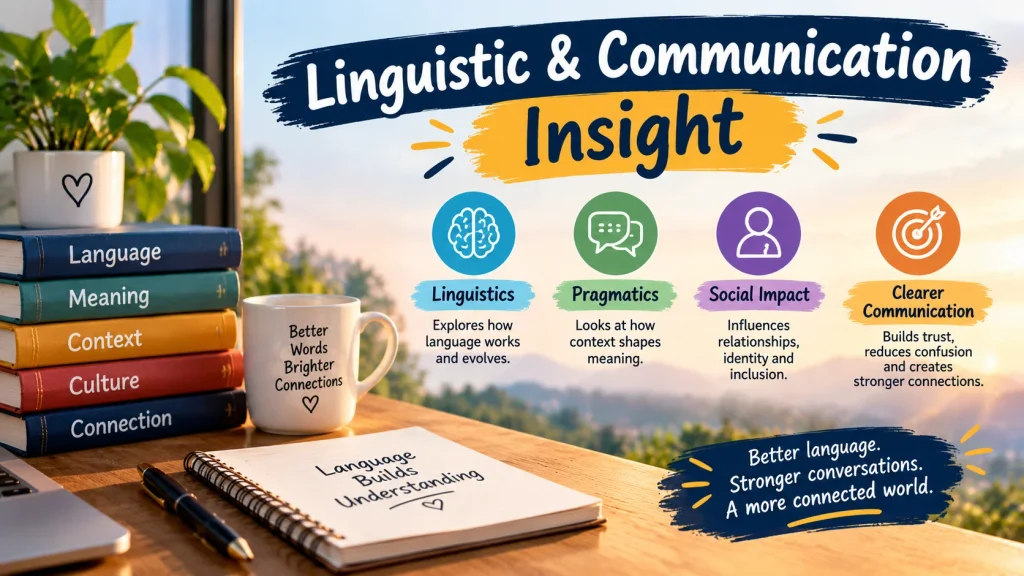
Emotional Weight & Subtext
The literal message concerns inevitability, but native speakers often hear more than the literal words. The phrase may carry acceptance, resignation, hope, faith, emotional distance, or reassurance.
The surrounding conversation determines which interpretation becomes strongest.
Someone saying:
“I did everything I could. What is meant to be is meant to be.”
usually sounds accepting.
Someone saying it immediately after refusing to take reasonable action may sound passive.
Direct vs Indirect Phrasing
The phrase is indirect because it does not identify exactly what should happen next. Instead, it frames the situation as something that will resolve itself eventually.
Compare:
“What is meant to be is meant to be.”
with:
“We’ve done everything we can, so let’s wait for the decision.”
The first is more philosophical. The second communicates a concrete situation and action.
Professional Communication Perspective
In workplace communication, experienced speakers often separate acceptance from responsibility. They may acknowledge that an outcome is uncertain while still emphasizing preparation, effort, and next steps.
For example:
“We cannot control the client’s decision, but we can control how thoroughly we prepare.”
This generally communicates more professional judgment than relying solely on an expression about destiny.
Pragmatic Reasons for Alternatives
Professionals may choose different wording to avoid defensiveness or confusion.
“Let’s see how things unfold” leaves room for uncertainty.
“We’ll work with whatever outcome we receive” emphasizes adaptability.
“Trust the process” emphasizes continued effort.
“It is what it is” emphasizes acceptance of reality as it is.
Choosing among these expressions lets the speaker control not only the message but also the emotional response it may produce.
Social Signaling
Language choices tell listeners how the speaker views a situation. A person who says “Trust the process” may signal optimism and persistence. Someone who says “It is what it is” may signal pragmatism. Someone who says “What is meant to be is meant to be” may signal acceptance of uncertainty or belief in destiny.
Tone & Context Guidance
Use the original phrase when the relationship is personal, the outcome is uncertain, and acceptance is the main point.
Choose another expression when the listener needs specific guidance, emotional validation, evidence, accountability, or a clear action plan.
The strongest communicators do not simply choose a synonym. They choose language that matches the listener’s needs.
Meaning, Usage & Examples for Each Alternative
What Will Be, Will Be
Meaning: This expression means that the future will unfold as it does and cannot be completely controlled or predicted. It is one of the closest traditional alternatives to the main phrase.
Why This Phrase Works: It communicates acceptance without requiring a detailed explanation. It is concise and immediately understandable.
Real-World Usage Insight: It often appears when someone has already taken reasonable action and now has to wait for an outcome.
Best Use: Personal conversations, reflective writing, and informal discussions about uncertainty.
Avoid When: A situation requires a concrete plan, decision, or accountability.
Tone: Calm, philosophical, traditional.
US vs UK Usage: Well understood in both varieties of English. It may sound slightly more traditional in contemporary American conversation.
Example (Email / Message / Meeting): “The application is submitted, so what will be, will be. At least we know we gave it our best.”
Everything Happens for a Reason
Meaning: This phrase suggests that events, including difficult ones, have an underlying purpose or meaningful explanation.
Why This Phrase Works: It gives people a framework for interpreting disappointing or unexpected events.
Real-World Usage Insight: It is frequently used as reassurance after setbacks, although not everyone finds the idea comforting.
Best Use: Supportive conversations, personal reflection, and motivational writing.
Avoid When: Someone is experiencing serious grief or trauma and may interpret the statement as minimizing their experience.
Tone: Reassuring, philosophical, sometimes spiritual.
US vs UK Usage: Common in both American and British English, especially in informal conversation and online communication.
Example (Email / Message / Meeting): “I know the rejection was frustrating, but everything happens for a reason. Give yourself some time before deciding what to do next.”
It Is What It Is
Meaning: This expression accepts an existing situation without necessarily suggesting that it was destined to happen.
Why This Phrase Works: It is direct and efficient. It acknowledges reality without spending too much time analyzing it.
Real-World Usage Insight: People often use it after discussing an unpleasant fact that cannot easily be changed.
Best Use: Casual workplace conversations, everyday speech, and informal messages.
Avoid When: Someone needs empathy, encouragement, or a solution rather than simple acceptance.
Tone: Casual, pragmatic, sometimes blunt.
US vs UK Usage: Very common in both varieties of English.
Example (Email / Message / Meeting): “The supplier moved the delivery date again. It is what it is, so let’s adjust the schedule and keep the client updated.”
Trust the Process
Meaning: This phrase encourages someone to remain confident while an ongoing process develops, even when the final result is not yet visible.
Why This Phrase Works: Unlike a purely fatalistic expression, it can encourage continued effort and patience.
Real-World Usage Insight: It is especially common in professional development, sports, education, business, and personal-growth conversations.
Best Use: Coaching, teamwork, career development, studying, and long-term projects.
Avoid When: The process itself is failing and needs critical evaluation rather than blind confidence.
Tone: Encouraging, modern, motivational.
US vs UK Usage: Common in both, with particularly strong visibility in modern American motivational and workplace language.
Example (Email / Message / Meeting): “The campaign numbers are still early, so let’s trust the process and review the data again next Friday.”
Let the Chips Fall Where They May
Meaning: This idiom means accepting whatever consequences result from a decision or action.
Why This Phrase Works: It emphasizes willingness to accept consequences rather than belief in destiny.
Real-World Usage Insight: It often appears when someone has decided to act despite uncertainty.
Best Use: Informal discussions involving risk, decisions, or consequences.
Avoid When: Speaking to someone who needs a gentle or emotionally sensitive response.
Tone: Idiomatic, confident, somewhat dramatic.
US vs UK Usage: Familiar in both, with a strong presence in American English.
Example (Email / Message / Meeting): “We’ve presented the findings honestly. Now we’ll let the chips fall where they may.”
Whatever Happens, We’ll Handle It
Meaning: This expression reassures someone that an uncertain outcome can be managed regardless of what happens.
Why This Phrase Works: It combines acceptance with confidence and responsibility.
Real-World Usage Insight: It is stronger than a purely passive statement because it focuses on the ability to respond.
Best Use: Team communication, friendships, family conversations, and stressful situations.
Avoid When: The speaker cannot realistically provide support or when certainty would be misleading.
Tone: Supportive, confident, reassuring.
US vs UK Usage: Natural in both American and British English.
Example (Email / Message / Meeting): “We don’t know what the board will decide, but whatever happens, we’ll handle it together.”
Let’s Take Things One Step at a Time
Meaning: This phrase encourages focusing on the immediate task instead of worrying about every possible future outcome.
Why This Phrase Works: It replaces uncertainty with a manageable approach.
Real-World Usage Insight: People frequently use it when a situation feels overwhelming or complicated.
Best Use: Personal support, project planning, education, and stressful circumstances.
Avoid When: A strategic long-term plan is genuinely required immediately.
Tone: Supportive, patient, reassuring.
US vs UK Usage: Common and natural in both varieties.
Example (Email / Message / Meeting): “There are still several decisions to make, but let’s take things one step at a time and deal with the immediate deadline first.”
It May Work Out in the End
Meaning: This phrase expresses cautious optimism that a difficult or uncertain situation may eventually have a positive outcome.
Why This Phrase Works: It offers hope without promising a specific result.
Real-World Usage Insight: The word “may” makes it less absolute than expressions claiming that everything has a predetermined purpose.
Best Use: Supportive conversations and informal professional encouragement.
Avoid When: Someone needs factual certainty or a definitive answer.
Tone: Hopeful, cautious, supportive.
US vs UK Usage: Natural in both varieties.
Example (Email / Message / Meeting): “The timeline is tighter than expected, but it may work out in the end if we prioritize the critical tasks.”
Comparison Table of 10 Best Alternatives
The strongest alternative depends on what you actually want to communicate: acceptance, optimism, patience, resilience, or uncertainty. The table below highlights ten especially useful choices and shows where each works best.
| Phrase | Meaning | Best Use | Worst Use | Tone | US vs UK Usage |
| What will be, will be | Accept the future as uncertain. | Personal reflection | Formal business decisions | Philosophical | Common in both |
| Everything happens for a reason | Events have a purpose. | Reassurance | Serious grief | Philosophical, comforting | Common in both |
| It is what it is | Accept an existing reality. | Casual workplace talk | Emotional support | Blunt, pragmatic | Common in both |
| Trust the process | Have confidence while things develop. | Work and personal growth | Clearly failing processes | Motivational | Common in both |
| Let’s see how things unfold | Wait for more information. | Professional uncertainty | Urgent decisions | Neutral | Common in both |
| Some things are beyond our control | Not every factor can be managed. | Professional communication | Situations requiring action | Practical | Common in both |
| Whatever happens, we’ll handle it | Any result can be managed. | Team support | Situations without real support | Reassuring | Common in both |
| Let’s take things one step at a time | Focus on immediate progress. | Stressful situations | Long-term strategy alone | Supportive | Common in both |
| The right opportunity will come along | Another suitable opportunity may arise. | Career encouragement | Promising certainty | Optimistic | Common in both |
| There’s a reason to keep moving forward | Continue despite setbacks. | Motivation | Immediate grief | Encouraging | Common in both |
Conclusion
“What is meant to be is meant to be” is a familiar expression that communicates acceptance, uncertainty, and the idea that some outcomes may be beyond personal control. Its meaning can shift depending on context: it may sound comforting when used between friends, philosophical in reflective writing, or slightly passive in professional communication.
Understanding this distinction helps speakers and writers choose language that matches their purpose and audience. Alternatives such as “what will be, will be,” “let’s see how things unfold,” “trust the process,” and “some things are beyond our control” provide different levels of optimism, practicality, and emotional reassurance. The best choice depends on whether you want to express acceptance, encouragement, patience, or resilience. Used thoughtfully, the phrase can provide concise emotional support without requiring a lengthy explanation. However, it should not replace practical action, empathy, or clear communication when a situation requires specific decisions or solutions.
FAQs
What does “what is meant to be is meant to be” mean?
“What is meant to be is meant to be” means that some outcomes cannot be completely controlled and should ultimately be accepted. It is commonly used when discussing uncertain relationships, career opportunities, plans, or unexpected life events. The phrase can suggest acceptance, destiny, reassurance, or resignation depending on the speaker’s intention and the surrounding context.
What is another way to say “what is meant to be is meant to be”?
Common alternatives include “what will be, will be,” “everything happens for a reason,” “it is what it is,” “trust the process,” and “let’s see how things unfold.” The best alternative depends on the intended tone. For example, “trust the process” sounds encouraging, while “some things are beyond our control” sounds more practical and neutral.
Is “what is meant to be is meant to be” professional?
The expression is understandable and grammatically acceptable, but it is generally conversational rather than highly professional. In formal workplace communication, alternatives such as “let’s see how things unfold” or “some factors are beyond our control” usually sound clearer and more objective, particularly in emails, reports, presentations, and discussions involving important decisions.
Can “what is meant to be is meant to be” be used in an email?
Yes, especially in a personal or informal email. For example, someone comforting a friend after a missed opportunity might write, “You did everything you could, so what is meant to be is meant to be.” In formal business emails, a more specific statement about the situation and next steps is usually more appropriate.
Does “what is meant to be is meant to be” mean giving up?
Not necessarily. The phrase can mean accepting an outcome after making a reasonable effort rather than giving up beforehand. However, if someone uses it to avoid taking action that could improve a situation, it may sound passive. A balanced interpretation is: do what you can, then accept what you cannot control.
What is the difference between “what is meant to be” and “what will be, will be”?
Both expressions communicate acceptance of uncertainty, but “what is meant to be” more strongly suggests that an outcome is destined or predetermined. “What will be, will be” focuses more on the uncertainty of the future and the limits of human control. Both expressions are commonly understood in conversational English.